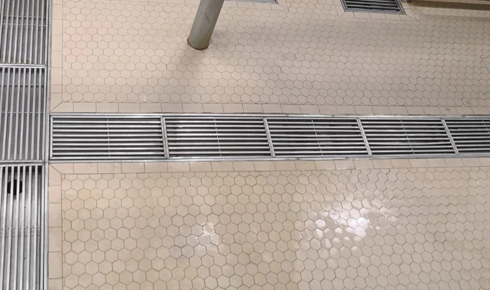
In healthcare environments, drainage is not just infrastructure, it is a critical hygiene safeguard.
From large multi-specialty hospitals to diagnostic laboratories, clinics, and isolation wards, drainage systems must function without failure, without odour, and without contamination risk. Any lapse in wastewater management can compromise infection control protocols, disrupt operations, and expose patients and staff to serious health risks.
This blog explains why reliable drainage is essential in healthcare settings, the challenges facilities face, and how SFA India drainage systems support hygiene-critical areas through smart, pump-assisted solutions.
Why Drainage Is Critical in Healthcare Settings
Healthcare drainage systems manage wastewater from some of the most frequently used and hygiene-sensitive fixtures in any building, including:
- Handwash stations used continuously by staff and visitors
- Scrub sinks in operation theatres and procedure rooms
- Laboratory equipment discharge points
- Utility wash areas for cleaning instruments
- Staff and patient washrooms
Unlike residential or commercial spaces, healthcare facilities operate round the clock, with constant water usage and strict hygiene expectations.
When drainage fails, the consequences are immediate and serious:
- Cross-contamination between zones
- Odour spread in sterile or semi-sterile areas
- Increased infection control risks
- Non-compliance with healthcare and safety regulations
For these reasons, gravity drainage alone is often insufficient in healthcare buildings, especially during retrofits, expansions, or in high-load zones.
Key Drainage Challenges in Hospitals and Laboratories
1. Multiple Fixtures, Continuous Use
Hospitals and labs experience high-frequency usage throughout the day. Handwash stations and scrub sinks may be used hundreds of times daily, creating constant hydraulic load. Traditional gravity systems struggle to maintain consistent flow under such conditions.
2. Space Constraints and Retrofitting
Many healthcare facilities expand over time. New labs, isolation rooms, and treatment areas are often added in locations not originally designed as wet zones, making proper slope-based drainage difficult or impossible.
3. Hygiene Sensitivity
In healthcare environments, even minor issues like slow drainage, stagnation, or backflow are unacceptable. Open drains or exposed pipework can compromise sterile conditions and increase contamination risk.
The Role of Pump-Assisted Drainage in Healthcare
Pump-assisted drainage systems are designed to overcome the limitations of gravity-based plumbing.
These systems:
- Maintain consistent flow velocity
- Prevent wastewater stagnation
- Operate independently of slope
- Enable fully sealed, hygienic drainage
By actively moving wastewater away from critical areas, pump-assisted systems ensure reliability, even in complex layouts and continuous-use environments.
This approach is particularly important in laboratories, scrub areas, and isolation wards, where hygiene standards are highest.
SFA India Solution for Grey Water in Healthcare: Sanicom 1
The Sanicom 1 is a compact, high-performance grey water pump widely used in healthcare facilities across India.
Ideal Applications
- Scrub sinks in operation theatres
- Laboratory wash areas
- Utility sinks and cleaning zones
Why Healthcare Facilities Use Sanicom 1
- Designed to handle hot grey water
- Built for continuous-duty operation
- Compact footprint for space-constrained areas
- Fully sealed construction for hygiene and odour control
- Low maintenance requirements
Sanicom 1 allows designers to place hygiene-critical wash points exactly where they are needed, without being limited by drainage slopes or existing stacks.
👉 Internal link: Explore Sanicom 1 grey water solution on the SFA India website.
SFA India Solution for Toilet Zones: Sanicubic 1
For areas handling black water, such as toilets and washrooms, healthcare facilities require robust lifting stations capable of reliable, long-term performance.
Ideal Applications
- Staff toilets
- Patient washrooms
- Basement wash areas below sewer level
Key Benefits for Healthcare Use
- Safely handles black water and solids
- Sealed tank design prevents odour escape
- Suitable for 24/7 operation
- Reliable performance during peak usage
Sanicubic 1 is commonly used in hospitals where washrooms are located below the main sewer line or where gravity drainage cannot be guaranteed.
Why Healthcare Designers Choose Smart Pump Systems
| Requirement | Smart Pump Advantage |
| Hygiene | Fully sealed, odour-free systems |
| Reliability | Designed for continuous operation |
| Flexibility | No dependence on slope or gravity |
| Compliance | Reduced contamination and backflow risk |
By integrating pump-assisted drainage early in the design, or during renovations, healthcare facilities reduce long-term risk and maintenance issues.
Final Thought: In Healthcare, Failure Is Not an Option
In hospitals and laboratories, drainage failures are not just inconveniences, they are critical risks.
With SFA India drainage solutions, healthcare facilities achieve:
- Reliable wastewater flow
- Hygienic, sealed operation
- Flexible infrastructure for future expansion
When designed correctly, drainage systems operate quietly in the background, supporting infection control, regulatory compliance, and patient safety without ever drawing attention to themselves.
And in healthcare, that invisibility is exactly how it should be.