Water is one of those household essentials that rarely gets much attention until something goes wrong. Perhaps you run out of drinking water just before guests arrive, notice white mineral marks building up around the taps, or discover that your water softener is almost out of salt. Suddenly, something that should be simple becomes another task on an already crowded to-do list.
A reliable water routine doesn’t have to be complicated, though. With the right combination of convenient delivery services, sensible testing, and regular equipment maintenance, you can make water care easier to manage. The trick is understanding which services are useful for your household and which problems actually need attention.
Convenient Drinking Water Without the Last-Minute Rush
For many families, keeping enough clean drinking water available is a practical concern. Some prefer filtering their tap water, while others choose packaged water because of taste preferences, local water conditions, or convenience. The right option depends on your household, your water source, and how much effort you’re willing to put into maintaining your setup.
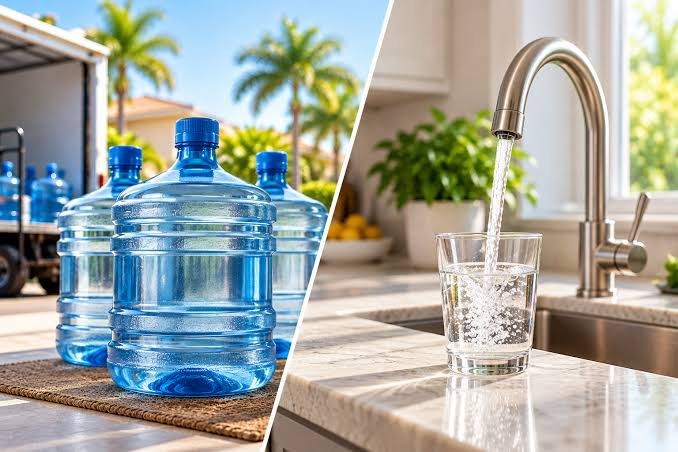
A dependable bottled water delivery service can be particularly helpful for busy homes, offices, and small businesses. Rather than making repeated trips to the store or carrying heavy containers, customers can arrange scheduled deliveries based on their normal consumption. That can save time, especially in households where several people rely on bottled water throughout the day.
Before choosing a provider, look beyond the advertised price. Ask about delivery frequency, container sizes, deposit requirements, return policies, and any additional fees. It’s also sensible to check how the company handles sanitation, storage, and product quality. Bottled water should be kept in a clean, cool location away from direct sunlight and strong-smelling chemicals.
Think about waste, too. Reusable returnable containers may reduce packaging waste compared with repeatedly purchasing single-use bottles, although the environmental impact depends on transport, washing, and reuse practices. If your tap water is safe and tastes fine, a properly maintained drinking water filter may be a more practical option. There isn’t one perfect arrangement for every household, and that’s perfectly fine.
Keep Your Water Softener Ready to Do Its Job
Hard water can cause a surprising amount of everyday irritation. Mineral deposits appear around faucets, soap becomes harder to rinse away, and shower screens seem to collect cloudy marks almost as quickly as you clean them. In some homes, scale can also accumulate inside water heaters and other equipment, contributing to maintenance concerns.
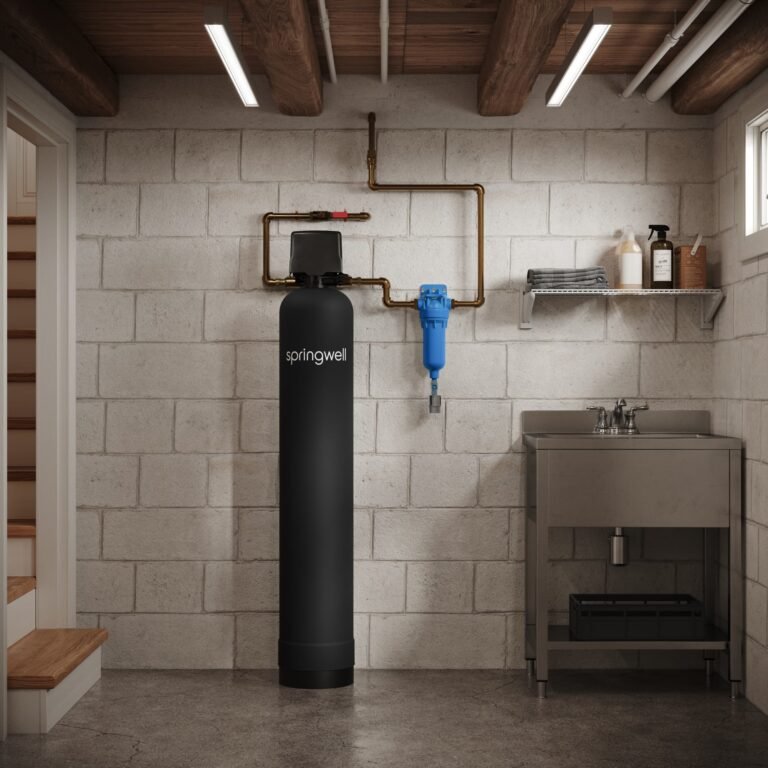
A water softener is designed to reduce hardness by removing calcium and magnesium ions through an ion-exchange process. Many conventional systems use salt to regenerate the resin that performs this exchange. Without enough salt, a system may not regenerate properly, meaning it can gradually become less effective at controlling hardness.
That’s where water softener salt delivery can make a genuine difference. Scheduled deliveries help homeowners avoid the familiar problem of discovering an empty brine tank at the worst possible moment. Some suppliers offer different salt formats, including pellets and crystals, so check your softener manufacturer’s recommendations before ordering.
It helps to establish a routine rather than relying entirely on reminders. Check the salt level periodically, inspect the brine tank for unusual buildup, and follow the manufacturer’s instructions for cleaning and servicing. The ideal inspection frequency depends on your system, water hardness, household consumption, and regeneration settings.
More salt isn’t automatically better, either. Filling the tank beyond its recommended level can make it harder to spot problems and may not improve performance. Use the quantity specified by the manufacturer, and investigate if softened water suddenly starts leaving spots or feeling different.
One other point deserves attention: a conventional sodium-cycle softener adds some sodium to the water. People following medically prescribed sodium restrictions should discuss suitable drinking water options with a healthcare professional. Depending on their circumstances, they may choose to keep an unsoftened drinking water tap or use another appropriate arrangement.
Why Water Testing Should Come Before Equipment Purchases
When water tastes unusual or leaves stains, it’s tempting to order a filter immediately. But buying equipment before identifying the problem can waste money. A system designed to remove sediment, for instance, may do very little about dissolved minerals or specific chemical contaminants.
Start by finding out what’s actually in your water. Some treatment providers offer free water testing to screen for common characteristics such as hardness, pH, iron, or chlorine. This can be a useful starting point when you’re considering a softener or filtration system, provided you understand the limits of the screening.
Ask the provider exactly what will be tested, whether the sample is analysed on-site or in a laboratory, and whether you’ll receive written results. A free screening is not necessarily a comprehensive safety assessment. It may not detect bacteria, lead, arsenic, PFAS, or other contaminants unless the service specifically includes appropriate testing for them.
For private wells, testing recommendations depend on local conditions, but regular checks for common contaminants and additional testing after flooding, repairs, or changes in water quality are important. If you suspect a health-related contaminant, use a qualified laboratory with suitable testing methods. Municipal water customers can also review their supplier’s water quality report and contact the supplier about unusual changes.
Testing becomes especially valuable when results guide a specific decision. If hardness is high, a softener may be appropriate. If chlorine taste is the main complaint, a suitable activated carbon filter may help. If a contaminant is detected, treatment should be selected based on the measured level and the technology’s verified ability to reduce that particular substance.
Build a Routine That Fits Your Household
Good water management is less about buying everything at once and more about keeping a few simple habits consistent. You might schedule drinking water deliveries every two weeks, check the softener salt level on the first weekend of each month, and keep a note of when filters need replacement.
A shared calendar can help, particularly in busy households where maintenance tasks are easy to forget. Keep product manuals and test reports together so that anyone responsible for the home can find them. If you use a professional service company, ask whether it provides maintenance reminders or written service records.
It’s also worth reviewing your needs from time to time. A growing family may use more drinking water than before. A change in water source could affect the type of treatment required. Renovations or plumbing repairs may introduce new considerations. Your water routine should adapt as circumstances change rather than remaining fixed simply because it worked a few years ago.
Choose Services That Offer Real Value
Convenience matters, but it should come with clear information and dependable service. When comparing delivery companies or water treatment providers, look for transparent pricing, responsive customer support, realistic product claims, and straightforward maintenance guidance.
For treatment equipment, ask about replacement parts, consumable costs, warranties, and the expected service schedule. For delivery services, confirm minimum orders, delivery areas, and how missed or delayed deliveries are handled. A slightly cheaper option may not be the best value if it creates repeated inconvenience.
Most importantly, remember that no single service solves every water problem. Delivery helps keep essential supplies available, salt supports the operation of many conventional softeners, and testing provides information that can guide better decisions. Each has a different purpose, and they work best when used thoughtfully.
A Simpler Approach to Better Water
Managing household water doesn’t need to become another full-time responsibility. A dependable delivery schedule, a properly maintained softener, and suitable water testing can take much of the guesswork out of everyday care.
Begin with the needs you actually have. Make sure your drinking water supply is reliable, keep treatment equipment stocked and maintained, and investigate quality concerns instead of relying on appearance alone. When something seems wrong, seek appropriate testing and professional advice before purchasing a solution.
Small habits make a difference over time. With a little planning, water care becomes less about last-minute fixes and more about maintaining a comfortable, well-run home.