There’s something comforting about having your own well. You turn on the tap, fill a glass, and know your household has a water source of its own. But private well water can come with a few surprises. Maybe the water leaves orange marks around the sink, carries an unpleasant smell, or makes laundry look less than fresh. Sometimes it seems perfectly clear, yet you’re still unsure what’s dissolved in it.
These problems can be frustrating, particularly when you don’t know whether the cause is harmless mineral content or something that needs attention. The good news is that you don’t have to guess. A proper water test, a little knowledge about common well water issues, and a treatment system suited to your property can make a real difference.
Why Private Well Water Needs Individual Attention
Unlike municipal supplies, private wells aren’t generally covered by the same routine public monitoring programs. Their quality depends on local geology, the condition of the well, nearby land use, and changes in the surrounding environment. Heavy rainfall, flooding, agricultural activity, and septic systems can all affect groundwater under certain conditions.
That’s why two neighboring homes may have very different water quality, even if their wells are only a short distance apart. One household might struggle with hard water, while another deals with iron staining or bacterial contamination.
A basic visual check can reveal some clues, but clear water isn’t necessarily safe to drink. Some contaminants have no noticeable taste, color, or odor. Testing through an appropriate laboratory is the best way to establish what’s present and decide whether treatment is necessary.
Homeowners should choose tests according to local risks and the water source. Depending on the circumstances, testing may include bacteria, nitrates, pH, hardness, iron, manganese, and other relevant substances. If your water changes suddenly, or your well has been affected by flooding or repairs, additional testing may be warranted.
Building a Reliable System Around Your Water Source
Treating well water usually involves more than buying a filter and connecting it to a pipe. The right setup depends on the test results, household water demand, plumbing layout, and the problems you want to address.
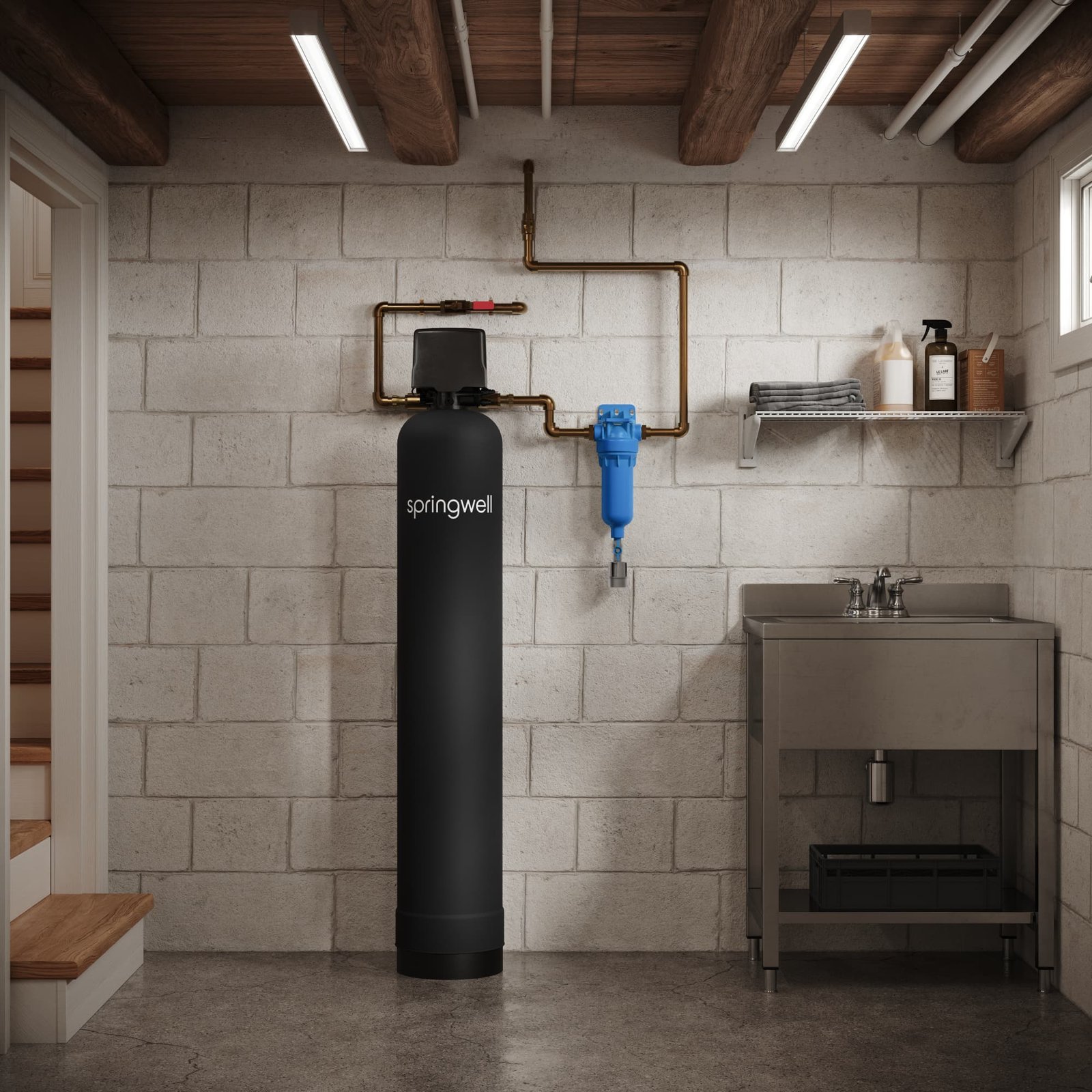
Well-designed well water systems may combine several components. A sediment filter can capture suspended particles, while a softener may reduce hardness minerals. Other equipment can be selected for specific concerns, such as iron, sulfur-related odors, or microbiological contamination.
The order of treatment can matter, too. For example, removing sediment before water passes through certain treatment equipment can help protect downstream components. A system also needs enough capacity to serve the household without causing inconvenient pressure drops when multiple taps are running.
Before installing equipment, discuss the results with a qualified water-treatment professional. Ask why each component is recommended, what it is designed to reduce, and how its performance will be checked. A good explanation should connect the proposed system to the actual water analysis rather than rely on generic claims.
Understanding Iron Stains and Discolored Water
Iron is a common concern in some private wells. Depending on its form and concentration, it can cause reddish-brown stains around sinks, toilets, and laundry fixtures. Water may appear clear when it first comes out of the tap, then develop a rusty color after standing for a while.
Iron can occur in dissolved or particulate forms, and that distinction affects treatment. A simple sediment filter may capture some visible particles, but it generally won’t remove all dissolved iron. In other cases, oxidation may be used to convert dissolved iron into particles that can then be filtered out.
Appropriate iron filtration starts with understanding the type and amount of iron in the water. Testing can also help identify manganese or other substances that may contribute to staining. The treatment method should be selected according to the results, expected flow rate, and manufacturer’s performance specifications.
Ignoring persistent staining can lead to extra cleaning, discolored laundry, and deposits that build up in plumbing fixtures. While iron itself is often an aesthetic concern at levels commonly found in groundwater, the presence of staining doesn’t tell you whether the water is safe overall. Other relevant contaminants may need separate testing.
What Causes That Rotten-Egg Smell?
Few water problems are as noticeable as a strong rotten-egg odor. The smell is often associated with hydrogen sulfide, a gas that can occur naturally in groundwater or develop through certain processes in plumbing systems and water heaters. Even a relatively small amount can make drinking water unpleasant and affect the experience of showering or washing clothes.
The source needs to be identified before choosing a solution. If the odor appears only when using hot water, the water heater may be involved. If it affects both hot and cold taps, the well or plumbing system may deserve closer investigation.
Depending on the test results, sulfur filtration may involve activated carbon, oxidation followed by filtration, or another suitable treatment method. The right choice depends on the concentration of hydrogen sulfide, the presence of other contaminants, and the amount of water the household uses.
Don’t assume that masking the odor solves the problem. A strong or sudden change in smell deserves investigation, especially if it occurs alongside changes in color or taste. If testing identifies a safety concern, follow the laboratory’s or local health authority’s advice about appropriate treatment and water use.
Don’t Overlook Bacteria and Other Health Concerns
Iron and sulfur can create obvious nuisance problems, but they aren’t the only reasons to test well water. Bacteria, nitrates, and certain naturally occurring contaminants may be present without producing visible changes.
Private well owners should follow local testing recommendations, including appropriate checks for bacteria and nitrates. If results indicate contamination, consult the relevant health authority or a qualified professional about suitable treatment. Depending on the problem, disinfection, source correction, or a combination of measures may be necessary.
Ultraviolet disinfection can be useful for certain microbiological concerns when properly selected and installed, but it doesn’t remove dissolved minerals or chemical contaminants. Similarly, a water softener is not a disinfection system. Each technology has a specific job, and understanding those limits helps prevent a false sense of security.
Maintenance Keeps Treatment Working
Once a system is installed, regular care helps it continue performing as intended. Filters need replacement, softeners may require salt, and disinfection equipment may need periodic inspection. Follow the manufacturer’s instructions and keep a record of service dates and water-test results.
Pay attention to changes in pressure, staining, odor, or taste. These signs don’t automatically mean the system has failed, but they may indicate that maintenance or further testing is needed. After major repairs, flooding, or a change in the well’s condition, consider retesting the water.
Make Your Decision With Confidence
Good well water treatment begins with reliable information, not guesswork. Identify the concern, test for the substances that matter, and choose equipment with performance claims that match your results.
You don’t necessarily need the most elaborate setup available. You need a system that suits your well, meets your household’s water demands, and can be maintained properly over time. With careful testing and the right professional guidance, you can protect your water supply and make everyday use more comfortable, without spending money on treatment you don’t need.