A new deck can completely change how a homeowner uses their outdoor space. It can create a place for grilling, relaxing, entertaining, and spending time with family. But before construction begins, there is one important topic every Pennsylvania homeowner should understand: deck building codes.
Decks are not just decorative outdoor features. They are structures that must support weight, handle weather exposure, and remain safe for years. That is why building codes matter. They help ensure decks are built with proper footings, framing, railings, stairs, fasteners, and load-bearing support.
For homeowners, understanding the basics of deck codes can help prevent unsafe construction, failed inspections, costly rework, and future safety issues.
Why Deck Building Codes Matter
A deck is exposed to rain, snow, ice, heat, humidity, and freeze-thaw cycles. Over time, poor construction can lead to rot, movement, loose railings, weak stairs, or structural failure.
Building codes exist to help protect homeowners from these risks. They provide minimum safety standards for how decks should be designed and built.
Proper deck construction matters because a deck must safely support:
- People
- Furniture
- Grills
- Snow loads
- Railings
- Stairs
- Long-term weather exposure
Even a small deck can become dangerous if it is not properly supported.
Do You Need a Permit to Build a Deck in Pennsylvania?
In many Pennsylvania municipalities, a deck requires a permit, especially if it is attached to the house, elevated, includes stairs, or exceeds certain size and height limits.
Permit requirements can vary by township, borough, or city. That means a homeowner in one area may face different requirements than a homeowner in another.
Before starting a deck project, homeowners should check with their local building department or work with a contractor who understands local permitting requirements.
Common Deck Code Requirements
While exact requirements vary, most deck codes focus on several key areas.
Footings
Deck footings support the weight of the structure. They must be properly sized and placed below frost depth where required. In Pennsylvania, freeze-thaw cycles are important because shallow footings can shift when the ground freezes and thaws.
Poor footings can cause decks to sink, tilt, or pull away from the home.
Framing
Deck framing includes beams, joists, posts, and ledger boards. These parts must be properly sized and spaced based on the deck design and expected load.
Improper framing can lead to sagging, bouncing, or structural weakness.
Ledger Attachment
If a deck is attached to the home, the ledger board must be securely fastened. This is one of the most important parts of deck safety. Poor ledger attachment is a common cause of deck failures.
A properly installed ledger must also be flashed correctly to prevent water from entering the home.
Railings
Elevated decks usually require guardrails. Railings must meet height and strength requirements. They must also have proper spacing to reduce fall risks.
Loose or poorly installed railings are a major safety concern.
Stairs
Deck stairs must follow code requirements for tread depth, riser height, handrails, and landing areas. Stairs are one of the most commonly used parts of a deck, so safety is critical.
Uneven stair heights or weak handrails can create serious hazards.
Why DIY Deck Construction Can Be Risky
Some homeowners are comfortable with basic repairs, but deck building is more complicated than it may appear. A deck must be structurally sound, properly connected, weather-resistant, and code-compliant.
DIY mistakes often include:
- Footings that are too shallow
- Weak ledger attachment
- Improper joist spacing
- Poor flashing
- Loose railings
- Unsafe stairs
- Incorrect fasteners
- Poor drainage planning
These mistakes may not be obvious immediately, but they can create long-term safety problems.
How Pennsylvania Weather Affects Deck Construction
Pennsylvania weather plays a major role in deck performance. Decks must be built to handle:
- Snow and ice
- Heavy rain
- Summer heat
- Humidity
- Freeze-thaw movement
- Seasonal expansion and contraction
Moisture protection is especially important. Water can damage framing, fasteners, ledger boards, and deck boards over time. Proper flashing, drainage, and material selection help extend the life of the deck.
Deck Materials and Code Considerations
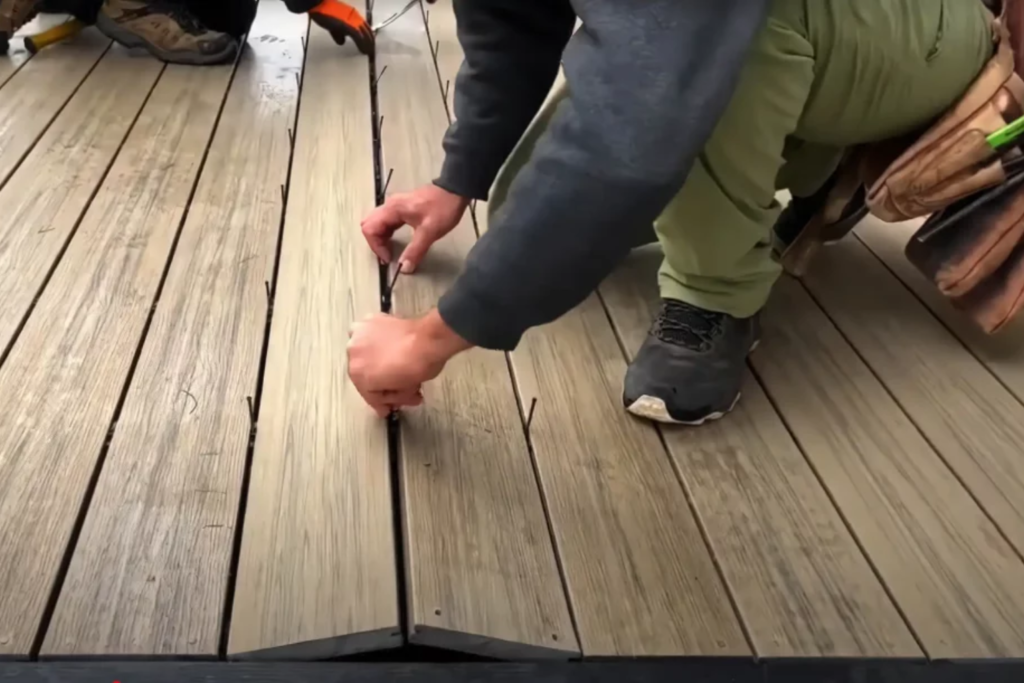
Different materials may have different installation requirements. Wood, composite, and other decking materials must be installed according to manufacturer specifications and local code requirements.
A contractor should understand how each material performs and how to install it correctly.
Material choice affects:
- Maintenance
- Lifespan
- Cost
- Appearance
- Slip resistance
- Heat retention
- Structural requirements
The best material depends on the homeowner’s goals, budget, and maintenance preferences.
What Homeowners Should Ask Before Hiring a Deck Contractor
Before hiring a contractor, homeowners should ask:
- Do you handle permits?
- Are you familiar with local deck codes?
- How deep will the footings be?
- How will the deck attach to the home?
- What railing system will be used?
- How will stairs be built?
- What materials do you recommend?
- Will the deck be inspected?
- What warranty is included?
A qualified contractor should be able to answer these questions clearly.
Deck Safety Signs to Watch For
If you already have a deck, watch for warning signs such as:
- Loose railings
- Soft or rotting boards
- Rusted fasteners
- Deck movement
- Sagging areas
- Stairs pulling away
- Water damage near the ledger
- Posts shifting or leaning
If any of these signs appear, the deck should be inspected before continued heavy use.
Why Professional Deck Construction Is Worth It
A professionally built deck can provide years of safe outdoor enjoyment. It can also improve home value, curb appeal, and lifestyle.
The value of professional construction comes from:
- Proper design
- Code compliance
- Safe structural support
- Better material selection
- Correct flashing and moisture protection
- Clean finishing details
- Long-term durability
A deck should be built for more than the first summer. It should be built to last.
Final Thoughts
Deck building codes in Pennsylvania exist to protect homeowners and families. Before starting a deck project, it is important to understand permits, structural requirements, railings, stairs, footings, and weather protection.
A well-built deck is safe, durable, attractive, and code-compliant. Working with an experienced contractor helps ensure your outdoor space is built correctly from the ground up.