From the ground, most solar panels look perfectly clean. But when technicians inspect them up close, they often find a thin layer of pollen, mineral residue, tree sap, or airborne particles that homeowners simply can’t see. In Lake Stevens, where evergreen trees, seasonal pollen, and frequent rainfall are part of everyday life, this invisible buildup can gradually reduce solar panel performance long before the panels appear dirty.
The reality is different. The first thing a solar panel cleaning company in Lake Stevens notices is not a thick layer of dirt or obvious damage. It is often the subtle buildup that homeowners cannot see from the ground. A thin layer of pollen, airborne dust, tree sap, bird droppings, or mineral residue can gradually reduce solar panel performance long before the panels appear dirty.
Understanding these hidden issues helps homeowners protect their solar investment and maintain consistent energy production throughout the year.
Why Clean Looking Solar Panels Can Still Lose Efficiency?
One of the biggest misconceptions about residential solar panels is that they only need attention when they look dirty. In reality, photovoltaic panels begin collecting microscopic contaminants almost immediately after installation.
A professional solar panel cleaning company in Lake Stevens knows where to look. Technicians often identify contaminants that blend into the tempered glass surface but still interfere with sunlight reaching the photovoltaic cells.
Not all contaminants affect solar panels in the same way. Fine pollen often forms a sticky film that traps additional dust throughout spring. On the other hand, bird droppings can block sunlight over individual cells, creating localized performance losses.
Tree sap hardens over time and usually requires specialized cleaning methods, whereas mineral deposits left behind after repeated rainfall gradually reduce the amount of sunlight passing through the panel’s protective glass.
Understanding how each type of buildup behaves helps homeowners recognize why routine inspections are as important as routine cleaning.
The Pacific Northwest Creates Unique Solar Maintenance Challenges
Homeowners throughout Lake Stevens experience environmental conditions that differ from many other parts of the country.
The Pacific Northwest provides excellent conditions for renewable energy, but it also exposes rooftop solar panels to several natural elements.
Evergreen trees continuously release pollen and organic debris.
Frequent rainfall washes some loose dust away, but it also leaves behind mineral deposits once the water dries.
During wildfire season, smoke particles settle across rooftops, reducing sunlight transmission without creating obvious discoloration.
Tree lined neighborhoods also experience more bird activity, increasing the likelihood of droppings and organic buildup that can block portions of individual photovoltaic modules.
These local conditions explain why professional solar panel maintenance remains an important part of protecting long term system performance.
What Professionals Notice During a Routine Solar Panel Inspection
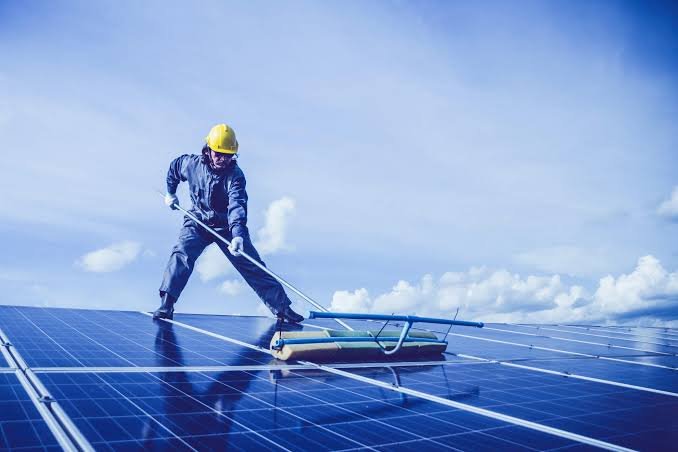
An experienced solar panel cleaning specialist does much more than spray water across the panels.
Routine visual inspections often reveal early warning signs that homeowners overlook because they simply cannot see them from ground level.
Common observations include:
Uneven Surface Contamination
Some sections of the solar array collect more debris than others depending on nearby trees, roof angles, and prevailing winds.
Bird Activity
Even small amounts of bird droppings can block sunlight from reaching individual photovoltaic cells. This creates localized performance issues that may affect overall system output.
Pollen Accumulation
Spring pollen may appear harmless, but it often forms a sticky layer that captures additional airborne contaminants throughout the season.
Tree Sap
Homes surrounded by evergreen trees frequently experience tree sap buildup that requires specialized cleaning methods to remove safely.
Moss And Organic Growth
Moist conditions encourage moss spores and algae to settle on rooftops, especially near shaded areas.
Water Spotting
Mineral residue from repeated rainfall can leave behind a cloudy film that reduces light transmission over time.
These observations help homeowners understand why professional inspection provides value beyond simply washing the panels.
Why Solar Monitoring Systems Do Not Tell the Entire Story?
Solar monitoring systems can alert homeowners when electricity production changes, but they cannot explain the underlying cause. A gradual decline caused by pollen or mineral residue often resembles the seasonal fluctuations that naturally occur throughout the year. Without a physical inspection, homeowners may assume lower production is weather-related when surface contamination is actually contributing to the drop.
How Nearby Landscaping Influences Solar Panel Performance?
Two neighboring homes can have very different solar maintenance needs. A property shaded by mature evergreens may collect pollen and sap throughout spring. On the other hand, a home near an active construction area could accumulate fine dust instead. Roof pitch, panel orientation, surrounding vegetation, and even proximity to Lake Stevens all influence how quickly contaminants build up. This makes maintenance schedules highly property-specific rather than one-size-fits-all.
Why DIY Cleaning Can Create Unnecessary Risks?
Many homeowners consider cleaning solar panels themselves.
Unfortunately, improper cleaning techniques can create additional problems.
Common mistakes include:
- Using abrasive brushes
- Applying household detergents
- Pressure washing panel surfaces
- Walking directly on solar panels
- Cleaning during the hottest part of the day
- Using untreated hard water that leaves mineral deposits
Professional cleaning relies on non abrasive methods, specialized equipment, eco-friendly cleaning solutions, and safe rooftop access procedures designed to protect both the homeowner and the photovoltaic system.
Proper solar panel care focuses on preserving panel longevity while maintaining energy production.
Seasonal Maintenance Matters More Than Many Homeowners Think
Seasonal maintenance is most effective when it addresses the specific conditions homeowners experience throughout the year. Spring inspections help remove heavy pollen before it hardens into a stubborn film. Summer maintenance focuses on wildfire smoke, dust, and tree sap, while autumn inspections prevent leaves and organic debris from trapping moisture around the panels. Winter provides an opportunity to identify mineral spotting, moss growth, and drainage issues before they become long-term maintenance concerns. Routine solar system maintenance helps address these seasonal changes before they begin affecting long term performance.
Small Problems Become Bigger Problems Over Time
The most experienced professionals understand that preventative maintenance protects long term system health.
Waiting until panels appear visibly dirty often means contaminants have already been affecting sunlight absorption for months.
Routine solar panel care supports:
- Better solar energy efficiency
- Consistent energy production
- Improved photovoltaic performance
- Cleaner panel surfaces
- Reduced debris accumulation
- Long term solar investment protection
- Better renewable energy performance
- Longer panel lifespan
These benefits make preventive maintenance an important part of responsible homeownership.
Why Local Experience Makes A Difference?
Every region presents different environmental conditions.
A solar panel cleaning company in Lake Stevens understands how Western Washington weather influences rooftop solar systems throughout the year.
Local professionals familiar with the surrounding communities recognize seasonal pollen patterns, wildfire smoke impacts, tree debris accumulation, and local climate conditions that national maintenance recommendations often overlook.
That regional experience allows technicians to recommend maintenance schedules that reflect real conditions instead of generic guidelines.
Protect Your Solar Investment Before Hidden Buildup Takes a Toll
Your solar panels work hard every day to generate clean, efficient energy, but hidden contaminants can slowly reduce their performance without obvious warning signs. Taking action now can help you avoid unnecessary energy loss and keep your system operating at its full potential.
If you live in Lake Stevens, or nearby communities, schedule a professional solar panel inspection and cleaning with a trusted local expert. Remember that a trusted local expert understands the unique environmental conditions of the Pacific Northwest. A proactive maintenance can help maximize your energy production, protect your investment, and give you confidence that your solar system is ready to perform efficiently through every season.